Polybutylene Pipes: What Every Tampa Homeowner Built Between 1978-1995 Needs to Know
If your home was built in that window, especially in Carrollwood, Town 'n' Country, or New Tampa, there's a real chance you're living with pipes insurers no longer want to cover.
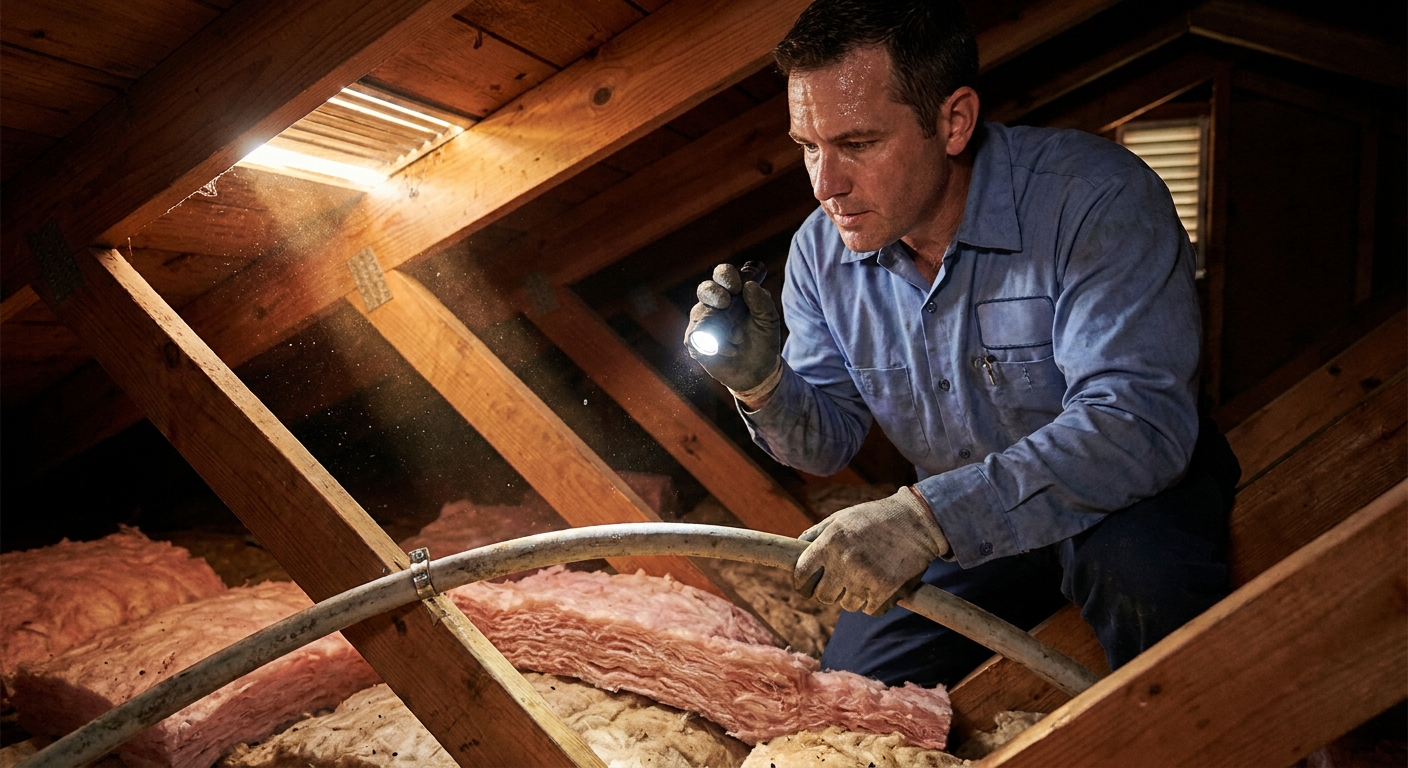
How to tell if you have it
Polybutylene pipe is usually gray, though it can be blue, black, or silver, and it's flexible, not rigid like copper or PVC. Look where the water line enters the house, at the water heater connections, and in the attic or under-slab access points. It's often stamped "PB2110" along the pipe itself. This material was cheap and common in new construction from 1978 through the mid-1990s, and it hit Carrollwood, Town 'n' Country, and New Tampa hard during that building boom.
Why it fails without warning
Polybutylene degrades from the inside out when it reacts with chlorine and other oxidants in treated water. The pipe looks fine right up until it doesn't, and failures tend to happen at fittings first, often behind walls or under slabs where you won't see the leak until it's already caused damage. This is exactly why more insurers in Florida are declining to renew policies on homes with known polybutylene systems, or they're requiring a repipe before they'll write new coverage.
What a repipe actually costs and involves
A full repipe with copper or PEX typically runs $4,000 to $15,000 depending on home size, how accessible the existing lines are, and whether it's slab or attic-run plumbing. PEX has become the standard replacement for residential work because it resists the same chlorine degradation and installs faster with fewer fittings. Most repipes take two to four days and can often be done room by room so you're not without water the whole time. If you're getting insurance renewal pushback, get a repipe quote before the policy lapses, not after.
Rather have a pro handle it?
Same-day plumbing service across the Tampa Bay area. A real plumber picks up.
Keep reading.
Why Tampa's Hard Water Is Wrecking Your Pipes and Appliances
Tampa Bay water runs 11.7 gpg on average and climbs past 17 in the dry season, and it's quietly shortening the life of everything it touches.
Slab Leaks in Tampa: Warning Signs and What to Do First
Sandy soil, slab-on-grade construction, and hard water make Tampa one of the worst spots in Florida for slab leaks. Catching one early saves your foundation.
Water Heater Lifespan in Tampa: Why Yours Won't Last as Long as the Box Says
Manufacturers rate tank water heaters for 10-12 years. In Tampa's hard water, expect closer to 6-8 unless you're maintaining it.